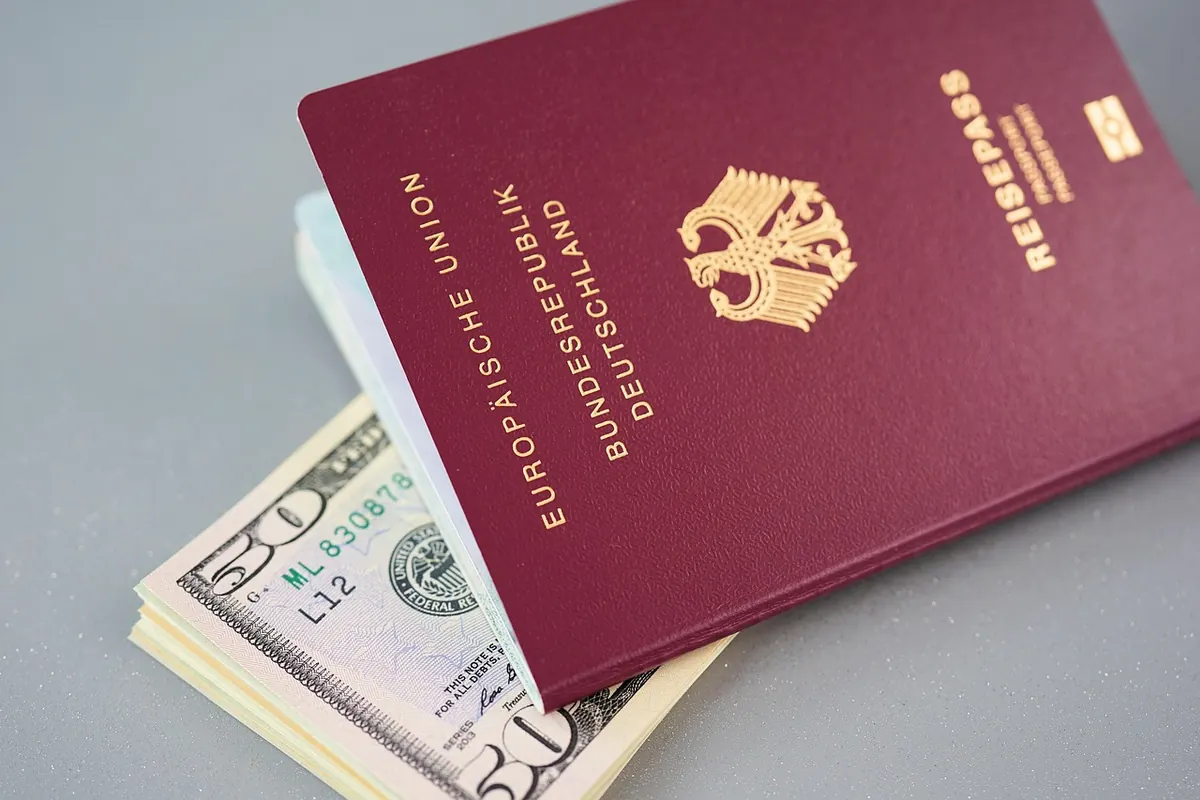
If you hold a UK passport and spend time in Europe, the Schengen 90/180 rule is probably the most important number in your travel planning. It catches out tourists, remote workers and seasoned travellers alike. The rule is simple in principle, but the rolling calculation is where people slip up. Get it wrong and you could face fines, refused entry or a ban. Get it right and you can build a workable nomadic route through Europe and beyond.
This is a plain-English guide to how the limit works, how to count your days, and which nearby countries sit outside Schengen. It is general information, not legal advice. If your situation is complicated, speak to an immigration adviser.
What the 90/180 rule actually means
The Schengen area is a group of European countries that have removed internal border controls. As a UK citizen, you are a third-country national for Schengen purposes. You can normally spend no more than 90 days in any 180-day period across the whole Schengen area.
Two details matter. It is not 90 days per country. A day in Spain, a day in France and a day in Germany all come from the same pot. And the 180-day period is not a calendar window that resets on 1 January. It rolls forward every day.
Remote work does not change the count. The rule is about physical presence, not activity. But working from a Schengen country may raise tax, social security and local permit questions. Those are separate issues and worth checking with a professional if you are staying longer than a holiday.
How the rolling window works
Look backwards. For any day you plan to be in Schengen, look back 180 days and add up every day you have already spent there. If the total would exceed 90, you cannot stay.
Here is an example. You spend 1–30 April in Spain: 30 days, because entry and exit days count. You spend 1–31 May in Portugal: another 31 days. You have used 61 days. You leave Schengen and spend June and July in Turkey.
On 1 August you want to return to Italy. Look back 180 days from 1 August. Your April and May days still fall inside that window, so you have 61 days used and only 29 left. You can stay until 29 August, not for another 90 days. As time passes, the April days begin to drop out of the window, and your available days slowly increase.
This is why a weekend outside Schengen does not reset anything. It pauses the count while you are away, but the days you have already used stay in the window until they are more than 180 days old.
Counting your days correctly
Small errors cause big problems. Follow these rules:
- Count entry and exit days as full days. Land at 11pm on Monday, and Monday counts. Leave at 6am on Friday, and Friday counts.
- Count every part of a day. There is no half-day credit for a quick train crossing or a late flight.
- Count the whole Schengen area as one place. Moving between countries does not create a new allowance.
- Keep your own record. Passport stamps are not reliable, especially with e-gates. Note dates, countries and proof of travel.
- Check transit carefully. Staying airside in a Schengen airport normally does not count. Passing through passport control does.
Use the European Commission’s short-stay calculator as a cross-check, but keep your own dates. If you are asked to prove your stay, a clear record beats a vague memory.
Which nearby countries sit outside Schengen
Leaving Schengen does not reset the clock, but it does stop the count while you are away. Days spent in these nearby countries do not use up your Schengen allowance:
- United Kingdom and Ireland
- Cyprus
- Albania, Bosnia and Herzegovina, Kosovo, Montenegro, North Macedonia and Serbia
- Turkey and Georgia
- Moldova
Be careful with recent joiners. Croatia became part of Schengen in 2023, and as of 2025 Bulgaria and Romania are full members. Do not treat them as a reset. Andorra, Monaco, San Marino and the Vatican are not Schengen members, but reaching them normally means passing through a Schengen country, so they are not practical reset options.
Common mistakes that catch nomads out
- Assuming the limit is 90 days per country rather than 90 days across the whole area.
- Thinking a short trip to the UK resets the entire count.
- Forgetting that entry and exit days both count.
- Relying on passport stamps when e-gates do not always stamp.
- Planning back-to-back trips without checking the 180-day window first.
- Confusing a national digital nomad visa or residence permit with the Schengen short-stay rule.
If you hold a residence permit or long-stay visa from a Schengen country, different rules may apply. That is a specialist area. Get advice before you rely on it.
A practical way to plan your route
Treat the 90 days as a budget, not a target. Leave a buffer of at least a few days for delays or a change of plan. Build a simple spreadsheet with columns for entry date, exit date, country and days used. Update it every time you cross a border.
If you want to stay in Europe for longer than 90 days in any 180, you have options. Alternate between Schengen and non-Schengen countries, such as summer in Albania or Montenegro and autumn in Spain. Apply for a national visa or residence permit in a specific country. Or base yourself outside Schengen and visit in shorter blocks.
None of these options are automatic. Visa rules, tax residency and health cover all interact. For anything beyond a straightforward tourist stay, speak to a qualified immigration or tax adviser.
Keep it simple and stay compliant
The 90/180 rule rewards planning. Know your entry and exit dates, count every day, and look back 180 days before booking your next flight. Do not assume a neighbouring country resets your allowance. Keep a buffer, keep records, and check official sources before you travel. Do that, and you can enjoy nomadic life in Europe without watching your days tick away at the border.
Photo: webandi / Pixabay