A pulled back muscle in Chiang Mai. A cracked molar the week you arrive in Mexico City. An inhaler that runs out two days before a flight to Berlin. Health admin is the part of nomadic life that no one photographs, and it is usually the part that decides whether a bad day stays a bad day or turns into a cancelled month.
The good news is that most of it is manageable with a little preparation and a working knowledge of how local systems behave. You do not need to become an expert in every country's health service. You need a folder, a routine, and the confidence to walk into a pharmacy and ask a straightforward question.
Before you fly: build your baseline
Sort the boring things while you still have a fixed address and a GP who knows you. A check-up, a dental appointment, any vaccinations your route requires, and a proper supply of regular medication. Ask your GP for a printed summary of your medical history and a list of your prescriptions using generic drug names, because brand names change from country to country.
Travel insurance with real medical cover is not optional. Read the exclusions before you pay, particularly around pre-existing conditions, sports and dental treatment. Keep the policy number and the emergency assistance phone line somewhere you can reach without Wi-Fi.
This is general guidance, not medical advice. For anything involving medication, chronic conditions or vaccinations, speak to your GP, a travel health clinic or a qualified professional before you travel.
Finding a gym you will actually use
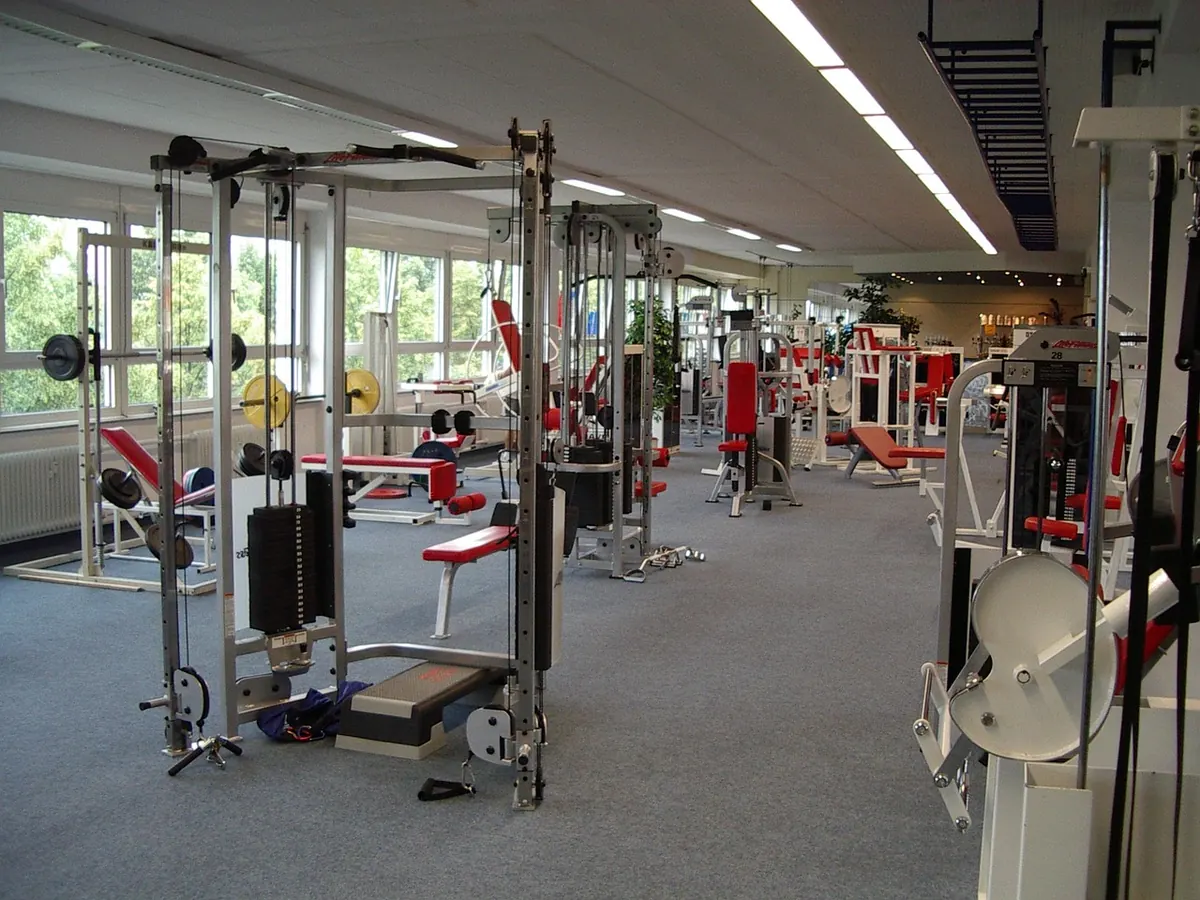
Long-term contracts are designed for people with a fixed postcode, so ignore them. Most cities have options built for shorter stays: day passes, weekly rates, pay-as-you-go class studios, community sports centres and university pools. Hotel gyms are often open to non-guests for a fee, especially outside peak hours.
Walk in and ask. It is surprising how often the person at the desk will offer a trial session or a discounted month if you explain you are in town for three weeks. Ask two questions before you hand over anything: what does cancellation involve, and is there a joining fee. Get the answer in writing, even if it is a WhatsApp message.
If the gym is a dead end
You can stay strong with very little. A resistance band takes up no space. Bodyweight work covers more than most people admit. Running routes are easy to plan with a map app, and public pools, outdoor calisthenics parks and climbing walls are everywhere once you start looking. Local sports clubs — five-a-side football, badminton, bouldering — are also one of the fastest ways to meet people who live in the city rather than just pass through it.
Refilling prescriptions abroad
Carry medication in its original packaging, with the pharmacy label intact, and bring a copy of your prescription. For anything controlled — strong painkillers, some anxiety medications, ADHD medication, certain sleep aids — check the rules of your destination well in advance. Some countries require an import permit or a letter from your doctor, and a few restrict the medicine entirely. Your embassy or consulate can point you to the current requirements.
When you need a refill, book a local doctor's appointment and bring your documentation. In many countries the doctor will issue a local prescription for the equivalent drug. Expect the dose to be written in milligrams rather than by brand, and check it matches what you normally take. Do not ask friends to post medication to you; customs rules make that a genuinely bad idea.
Pharmacies: your first stop for small problems
In much of Europe, Asia and Latin America, pharmacists are a sensible first port of call for minor issues — a stomach bug, a skin infection, a sprained ankle, a cold that has dragged on. Many can advise, and some can prescribe for straightforward conditions. It is usually faster and cheaper than finding a clinic.
Show, don't mime. A photo of the medicine, the generic name written down, or a translation app screenshot gets you further than a description of symptoms in a language you do not speak.
A few habits make the visit smoother:
- Write the generic drug name and the dose on your phone before you go in.
- Ask whether a generic version is available; it is often identical in effect and far cheaper.
- Confirm how many times a day and for how many days, and check the packaging yourself.
- Keep the receipt. Insurers usually want itemised proof, not a blurry photo of a till slip.
- Check expiry dates, especially in markets or smaller shops.
Finding a dentist you can trust
Dental problems do not wait for a convenient moment. If you are in pain, deal with it now rather than hoping it settles before your next flight. Start with recommendations: your accommodation host, a local co-working space, expat groups, or the list many embassies keep for their own staff. A clinic that treats embassy families is usually a reasonable bet.
Before treatment begins, ask for a written quote and a clear explanation of what is being done. Prices vary enormously between countries, and so does the standard of care. If a clinic pushes you towards a long list of cosmetic work during an emergency appointment, get a second opinion. Travel insurance often covers emergency pain relief but rarely routine dental care, so check your policy and keep every document.
When it is more serious than that
Save the local emergency number in your phone the day you arrive. Know whether the nearest hospital is public or private, and call your insurer's assistance line before non-urgent treatment if you can. Keep a digital and paper copy of your passport, policy documents and medical summary, and tell someone you trust where you are going. If you are ever unsure whether a situation is an emergency, treat it as one and seek help.
A five-minute routine that saves hours
On your first full day in a new city, do this while you are out walking. It takes minutes and pays for itself the first time something goes wrong.
- Note the nearest pharmacy, its opening hours and whether it delivers.
- Save the emergency number and your insurer's assistance line in your phone.
- Find one gym, pool or sports club within walking distance and check the drop-in rate.
- Locate a clinic or hospital with English-speaking staff, and note the address.
- Check your medication supply against your departure date and start the refill process early.
None of this is glamorous. But a body that keeps working, a prescription that gets refilled and a tooth that gets fixed are what make long-term travel possible. Set the routine once, and you can get back to the interesting part.
Photo: gedankenschatz / Pixabay