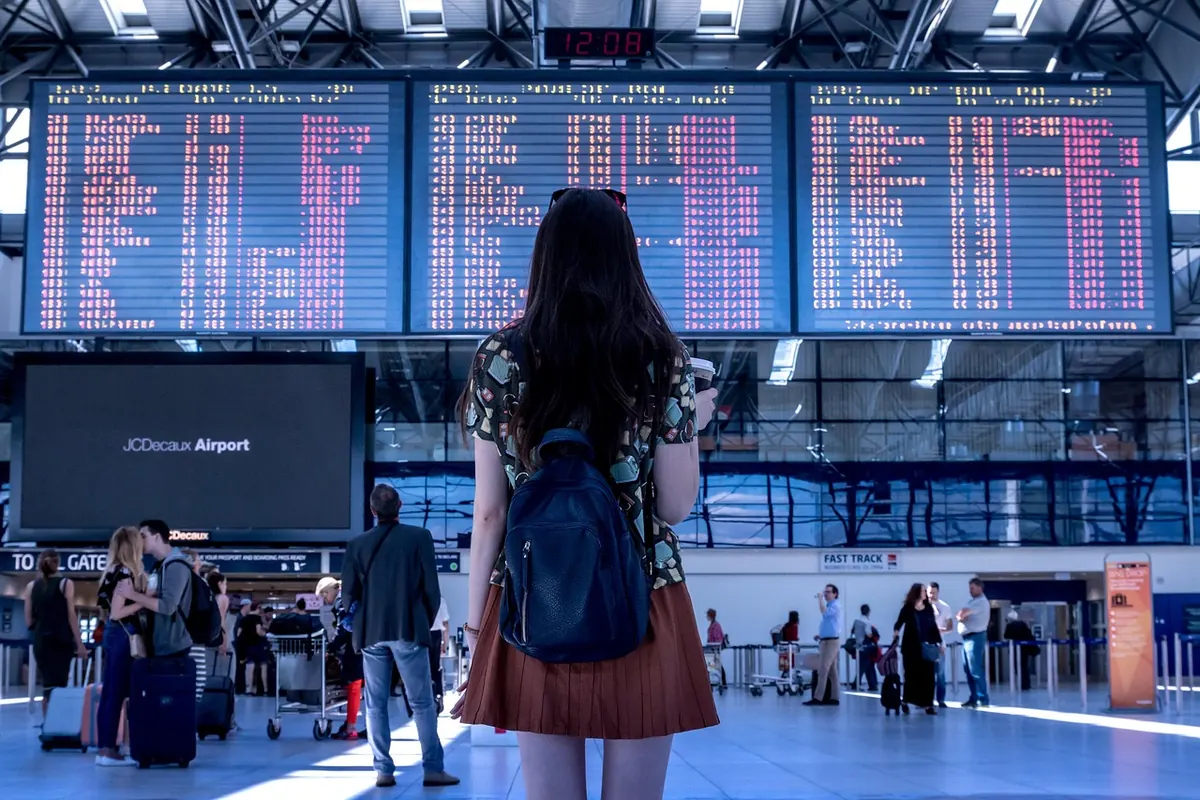
You know the feeling of arriving somewhere new and immediately checking when you can leave. Not because the place is bad, but because finding a supermarket, a SIM card, a laundrette and a decent coffee for the fourth time this month has started to feel like homework.
That's usually the first clue. Nomad burnout doesn't announce itself. It arrives as irritation, then flatness, then a strange reluctance to open your laptop, book a bus, or talk to anyone in the hostel kitchen. The good news is that it's fairly predictable, and mostly avoidable, if you build the recovery in before you need it.
What constant movement takes out of you
Travelling well is a series of small admin jobs. Every new city asks you to learn the transport system, work out where the cheap food is, remember which tap is hot, and explain your job to a stranger who assumes you're on holiday. Individually, none of it matters. Cumulatively, it's a steady drain on attention — and attention is the thing you actually sell.
Add time zones, unreliable wifi, a poor night's sleep on an overnight bus and the low-level guilt of not having replied to your mum since Lisbon, and you've built a workload that never clocks off. There's no commute separating work from life, no Friday feeling, no quiet Sunday. When everything is new, nothing is restful.
Spotting the signs before they flatten you
Burnout rarely looks dramatic. It looks like this:
- Repeating the same day — coffee, laptop, scrolling, bed — with no memory of what you actually saw.
- Booking the next destination out of habit rather than wanting to be there.
- Snapping at small things: a slow card machine, a loud dorm, a bus twenty minutes late.
- Work getting sloppy. Missed deadlines, shallow emails, ideas that go nowhere.
- Physical warnings: headaches, jaw tension, waking at 4am, a stomach that reacts to everything.
- Feeling nothing about places you'd have photographed obsessively a month ago.
- Binge-booking or binge-scrolling to avoid deciding anything.
If three or four of those sound familiar, treat it as information rather than a character flaw. Burnout is a signal that your pace doesn't match your capacity right now.
Why pushing through makes it worse
The instinct is to double down. You've paid for the trip, the visa is ticking, everyone back home thinks you're living the dream. So you add another city, another co-working space, another five-hour train.
That's the trap.
Rest isn't the reward for finishing the trip. It's part of the trip.
The nomads who last years aren't the ones who move fastest. They're the ones who know when to stop moving and stay put for a fortnight. One thing worth saying plainly: if low mood, anxiety or poor sleep persist over weeks rather than days, that deserves proper attention. Speak to a doctor or a qualified mental health professional rather than trying to fix it with a beach weekend.
Slow weeks: the fix that costs nothing
A slow week isn't a lost week. It's a week where you stay in one place, keep your hours roughly stable and do almost nothing touristy. In practice:
- Seven nights in one bed. That single decision removes an enormous amount of logistics.
- No new cities, no new countries, no overnight transport.
- One anchor activity a day — a workout, a long walk, a proper meal cooked at home.
- Two days with nothing scheduled at all. Not rest days you fill with admin; genuinely empty days.
- A short list of work you'll do, and permission to stop when it's finished.
Book these weeks at the same time you book the exciting ones, and put them in the calendar as you would a flight. If you're somewhere you love, extend. If you're somewhere you don't, at least you didn't spend money moving.
Routines that travel with you
Novelty is the point of this life, but it's also the cost. Familiar routines give your nervous system something to lean on. The trick is making them portable — small, repeatable things that work in any city.
- The same first hour. Coffee, water, ten minutes of reading or writing before anyone speaks to you.
- The same workout, scaled to whatever's available. Bodyweight in a park beats a gym you'll never find.
- The same bedtime window. Your body doesn't know it's in Bangkok; it just knows you're awake again at 2am.
- A weekly call with someone who knows you well. Not a voice note — an actual conversation.
- One recurring admin hour for money, bookings and invoices. Done weekly, it stops becoming an emergency.
None of these are exotic. That's the point. Boring, repeated, and yours.
Rest days that actually restore
A rest day spent doomscrolling on a hostel bunk isn't rest. It's a different kind of depletion.
Separate the two types you need. Passive rest is sleep, lying down, a long shower, doing nothing with a view. Active rest is low-stakes movement and low-stakes company: a walk with no destination, cooking with people you like, a film, a swim. A decent rest day usually has no alarm but a reasonable bedtime, one outing at most, a few screen-free hours, and something that reminds you why you chose this life — a market, a swim, a book, a long lunch.
If you finish a rest day feeling restless and guilty, that's usually a sign you need another one, not that rest doesn't work.
A simple plan for the next month
Open your calendar and do three things.
First, block a slow week somewhere in the next four to six weeks. Book the accommodation now — somewhere with a kitchen and a desk — for seven nights minimum. Second, choose two routines and commit to them for that week: a first hour and a bedtime. Third, decide in advance what "enough work" looks like, so you're not negotiating with yourself at 11pm.
Then tell someone. A friend, a partner, a fellow traveller. "I'm taking a quiet week" is far easier to hold when it's been said out loud.
Nomad life rewards people who treat rest as infrastructure rather than indulgence. Move less, stay longer, keep a few boring habits, and the interesting parts stay interesting. That isn't slowing your trip down — it's what makes the trip last.
Photo: JESHOOTS-com / Pixabay