January in Britain has a particular talent for grey. Fortunately, a handful of destinations combine the three things a working winter actually needs: warm afternoons, fibre that holds up on a video call, and rules that let you stay longer than a fortnight. The eight below were chosen for that combination rather than scenery alone, with notes on when prices soften and what to verify before you book.
What separates a good winter base from a warm one
Warmth is easy to find; warmth plus a stable connection is not. Three things matter more than the photographs. Daytime temperatures in the low-to-mid twenties, so you can sit outside without a jacket. Upload speed, because video calls live and die by upload rather than download. And length of stay — a fortnight is a holiday, six weeks is a winter. Where a genuine long-stay route exists, it makes the list.
Islands a short flight away
Canary Islands, Spain
The Canaries are the obvious answer, and the obvious answer is often right. Tenerife and Gran Canaria enjoy mild, sunny winters, with the south of both islands warmer and drier than the north. Fibre in the main towns is good and coworking spaces are easy to find. Rural fincas often rely on 4G or fixed wireless, which works until it doesn't. Ask for a speed test taken in the room you'll work in, not the one by the pool.
Madeira, Portugal
Madeira has quietly become a favourite for people who want warmth without heat. Funchal and the south coast stay pleasant through winter, and fibre is now common in apartments. Head into the hills and you trade bandwidth for views. Flights from the UK are frequent and cheap outside school holidays. As part of Portugal, it falls under the Schengen 90-days-in-180 rule for British passport holders, which shapes any longer plan.
Cape Verde
Warmer than the Canaries and a longer flight, Cape Verde suits anyone wanting genuine heat in January. Sal and Mindelo on São Vicente have the most dependable connections, and guesthouses increasingly advertise fibre. Infrastructure is still developing, though: power cuts happen, so carry a backup plan. Verify rather than assume, and check current entry requirements, including any pre-travel registration, before you fly.
Mediterranean neighbours with real sun
Cyprus
Paphos and Larnaca offer some of the mildest winter weather in the EU: bright days in the high teens, with the sea cold but tempting. Fibre is widely available, English is widely spoken and everyday admin is straightforward. Cyprus has a digital nomad visa route, but criteria and income thresholds change, so check the current position with the relevant authority rather than a blog post.
Morocco: Agadir and Taghazout
Agadir's winter is reliably sunny, and Taghazout has become a base for people who work in the morning and surf in the afternoon. Fibre reaches much of Agadir; in Taghazout it is more mixed, so a local SIM with a generous data bundle is sensible insurance. Be wary of medina riads — thick walls and small windows mean the signal rarely reaches every room. Confirm visa rules before travelling.
The Gulf and Asia, where fibre is standard
Dubai and the northern emirates
If reliability matters above everything else, the UAE is hard to beat. Home fibre is fast and outages are rare. Winter is the season to be there, with warm days and low humidity. Two caveats: some voice and video calling apps are restricted, so test your call setup in advance, and high-season accommodation costs more than anything else on this list. Sharjah and Ajman are quieter and cheaper, with an easy run into Dubai.
Thailand
Chiang Mai, Hua Hin and Krabi all pair good winter weather with fast, inexpensive fibre, and Chiang Mai has one of Asia's best coworking scenes. Note that northern winter mornings are genuinely cool, and that from around February the burning season can affect air quality. Thailand's visa categories have changed repeatedly in recent years; check the latest position with the embassy or a reputable visa service before booking flights.
The Americas, if you are going long
Mexico's Yucatán
Mérida is hot, dry and walkable in winter, with fibre widely available and a growing remote-working community. The coast — Playa del Carmen, Puerto Morelos — is breezier and busier, and Tulum's power and internet are less reliable than its reputation suggests. Mexico offers temporary resident routes suited to longer stays, though requirements shift; use a qualified immigration adviser rather than forum guesswork. Flights are long, so this only makes sense for a stay measured in months.
Check the connection before you commit
- Ask the host for a screenshot of a speed test taken in the past few days, showing upload as well as download.
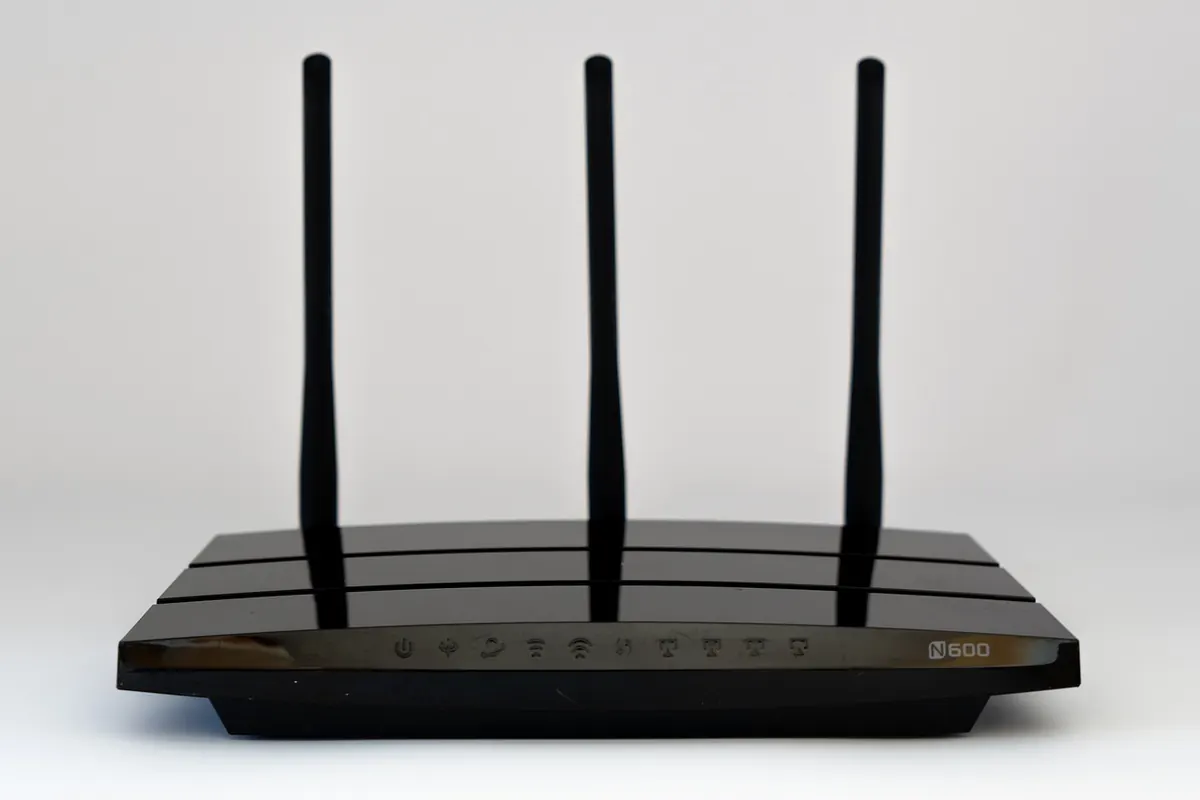
- Find out where the router is and whether the room you'll work in is on the same floor. Ask about an ethernet port.
- Check whether the "fast Wi-Fi" is a shared building connection — speeds in apartment blocks often dip in the evening.
- Line up a backup: a local SIM or eSIM with a decent data allowance, and a phone that can tether.
- Pack a small travel router if you're moving between rentals; it keeps your setup consistent.
- Book a coworking day pass for your first week, as both a fallback and a way to meet people.
Staying longer: visas, money and insurance
Long-stay routes exist in most of these places. Spain and Portugal have digital nomad visas, Cyprus has its own, the UAE offers a virtual work option and Thailand has added new categories — but criteria, income thresholds and processing times change often. Go to the official government source, not a blog, and start early, because appointments are usually the slowest part.
Remember that tax residency is not the same as visa status. If you're staying for months rather than weeks, take advice from a qualified accountant about where you'll owe tax. Buy travel insurance that covers the work you're doing and the equipment you're carrying, and check the small print on laptop cover. Winter sun is far better when the boring parts are already sorted.
Photo: Kraken Media / Pexels